
Overview of Student Housing in France
Securing accommodation is a primary requirement for international students moving to France. The French housing market for students is diverse but highly competitive, particularly in major cities like Paris, Lyon, and Bordeaux. Demand often exceeds supply during the peak intake months of September and January. Students are encouraged to begin their search at least three to four months before their arrival.
The type of housing available ranges from state-subsidized residences to private rentals and shared apartments. For the 2025/2026 academic year, administrative processes remain largely digital, facilitated through platforms like Etudiant.gouv.fr. Most international students are eligible for social housing assistance, regardless of their nationality, provided they hold a valid residence permit (VLS-TS).
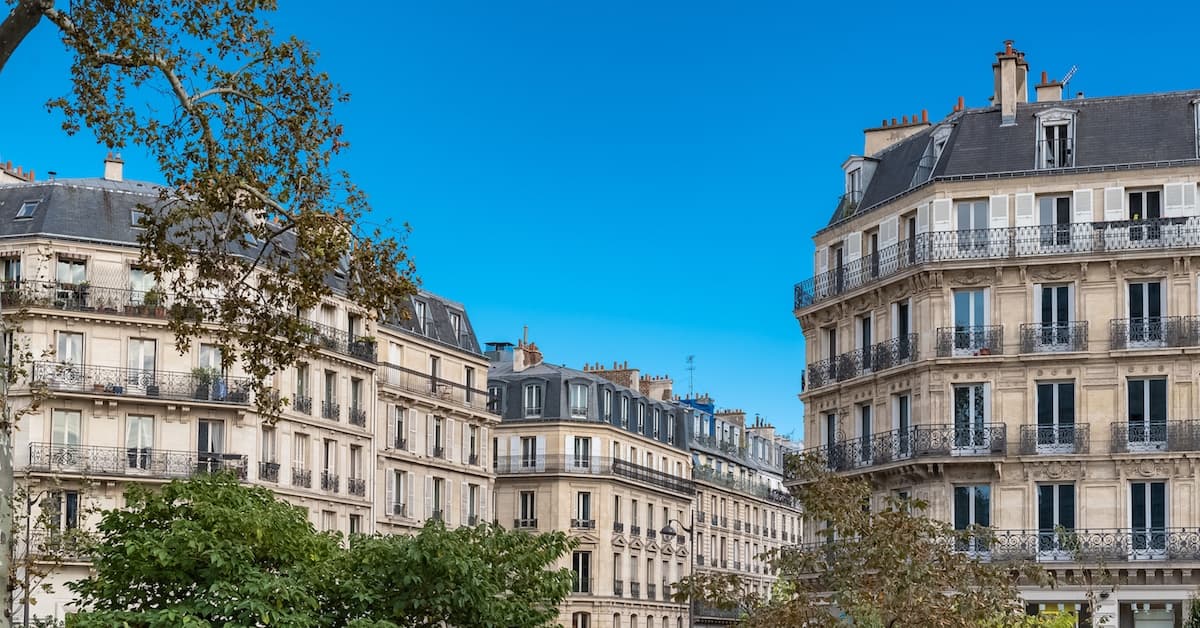
Types of Student Accommodation
Housing in France is generally categorized into public residences, private student residences, and the private rental market.
Public Student Residences (CROUS)
Managed by the Regional Centers for University and School Services (CROUS), these are the most affordable options. Rooms are typically between 9m² and 18m². Priority is given to students on social criteria or those in exchange programs with specific bilateral agreements.
- Cost: Monthly rents range from 200 EUR ($220 USD, Jan 2026) to 600 EUR ($660 USD, Jan 2026), depending on the city and the level of renovation.
- Application: Usually handled through the Dossier Social Étudiant (DSE) between March and May for the following academic year.
Private Student Residences
These are purpose-built facilities offering furnished studios and shared services such as internet, gyms, and laundry rooms. They are more expensive than CROUS but easier to secure for international students.
- Cost: Monthly rents in provincial cities range from 450 EUR ($495 USD, Jan 2026) to 800 EUR ($880 USD, Jan 2026). In Paris, these can exceed 1,000 EUR ($1,100 USD, Jan 2026).
Private Rentals and Colocation
Many students choose to rent a private studio or share a larger apartment (colocation) with other students. This provides more independence but requires a more complex application process involving a guarantor and a security deposit.
- Lease Types: Students typically sign a "student lease" (9 months) or a "mobility lease" (1 to 10 months).

Financial Aid and Guarantees
The French state provides specific mechanisms to help students cover the cost of housing and provide security to landlords.
Housing Assistance (CAF)
International students can apply for Aide Personnalisée au Logement (APL) or Allocation de Logement Social (ALS) through the Caisse d'Allocations Familiales (CAF). The amount is calculated based on the rent price, the student’s income, and the type of accommodation.
- Eligibility: Requires a valid visa/residence permit and a formal lease agreement in the student's name.
The Visale Guarantee
Most landlords require a "guarantor"—a person living in France who agrees to pay the rent if the tenant cannot. For international students who do not have a local guarantor, the French government provides the Visale service. Visale acts as a free rental guarantee for students aged 18 to 30.
- Application: Students should apply online at Visale.fr before signing a lease to receive a "visa" to present to the landlord.
Practical Steps and Required Documents
When applying for housing, students must prepare a "dossier" (application file). Landlords are legally restricted in the types of documents they can request, but standard requirements include:
- Proof of identity (Passport and Visa/Residence Permit).
- Proof of student status (Enrollment certificate or student card).
- Proof of resources (Scholarship certificate or bank statements).
- Proof of guarantee (Visale certificate or guarantor's documents).
Security Deposits and Fees
For furnished rentals, the security deposit (dépôt de garantie) is generally capped at two months of "naked" rent (excluding service charges). This deposit is refundable at the end of the lease, provided no damage has occurred. If using a real estate agency, expect to pay administrative fees, which are regulated based on the square footage of the property.
Note: Always perform a thorough "état des lieux" (inventory of fixtures) when moving in and out to ensure the return of your deposit.