
Investing in French Property: Overview
France remains one of the most regulated and secure real estate markets in the world. For foreign nationals, there are generally no restrictions on purchasing property, whether they are residents or non-residents. However, the administrative process follows a strict chronological order managed primarily by a public official known as a notaire (notary).
The acquisition process typically takes between three to four months from the initial offer to the handover of keys. This timeline allows for the verification of land titles, urban planning permissions, and the securing of financing. In 2025 and 2026, buyers must pay close attention to environmental regulations, specifically the Energy Performance Certificate (DPE), which can affect a property’s rental eligibility and market value.

The Preliminary Agreement
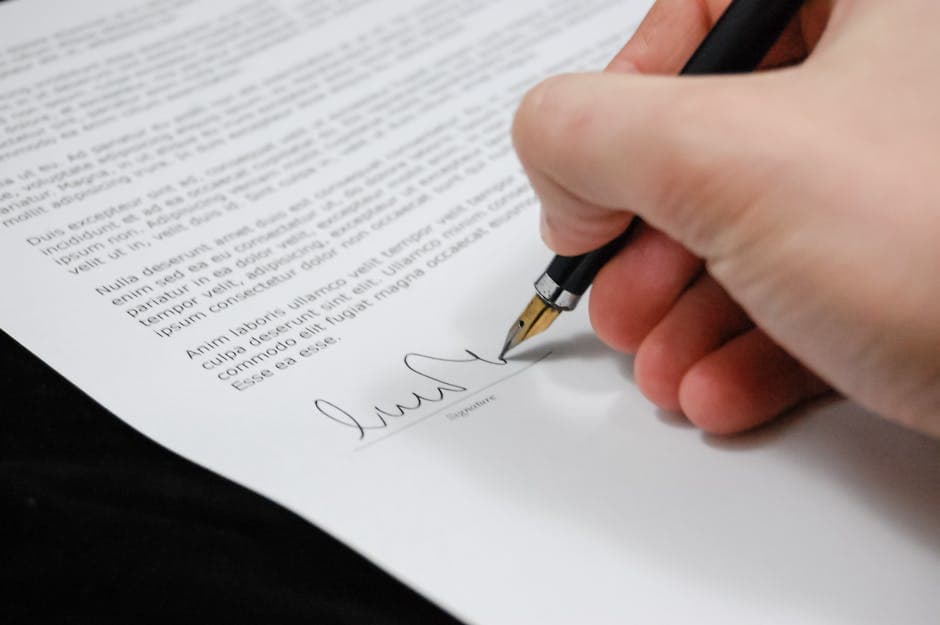
Once a price is agreed upon between the buyer and the seller, the first legal step is the signing of a bilateral sales agreement, most commonly the Compromis de Vente. This document commits both parties to the transaction under specific conditions.
Cooling-off Period and Deposit
Upon signing the Compromis de Vente, the buyer benefits from a mandatory 10-day cooling-off period. During this time, the buyer can withdraw from the purchase without providing a reason and without financial penalty. Any deposit paid must be refunded in full.
- Deposit Amount: Usually ranges from 5% to 10% of the purchase price.
- Escrow: The funds are held in a secure escrow account by the notary or a licensed estate agent. For example, on a 400,000 EUR property, a 10% deposit would be 40,000 EUR ($43,200 USD, Jan 2026).
Suspensive Conditions (Clauses Suspensives)
These clauses allow the buyer to cancel the contract if certain events do not occur. The most critical is the condition suspensive d'obtention de prêt, which protects the buyer if their mortgage application is rejected by the bank. Other conditions may include the absence of heavy structural defects or the right of the local town hall to exercise its "pre-emption right" (the right to buy the property for public use).
The Role of the Notary and Acquisition Costs
In France, the notaire represents the state. Their role is to ensure the transaction is legally sound, collect taxes, and register the new deed of ownership. While one notary can represent both parties, it is common and recommended for the buyer to have their own notary; the fees remain the same as they are shared between the two professionals.
Notary Fees and Taxes
Purchasers must budget for "notary fees" (frais de notaire), which are predominantly composed of state taxes rather than the notary's actual salary. These fees vary based on the age of the property:
- Existing Properties: Approximately 7% to 8% of the purchase price.
- New Builds (VEFA): Approximately 2% to 3% of the purchase price.
Example: For an existing apartment priced at 300,000 EUR ($324,000 USD, Jan 2026), the notary fees will be approximately 22,500 EUR ($24,300 USD, Jan 2026).
Mandatory Technical Diagnostics
The seller is legally required to provide a Dossier de Diagnostic Technique (DDT). As of 2025/2026, properties with a DPE rating of 'G' or 'F' face significant restrictions in the rental market. The dossier must cover:
- Energy Performance (DPE)
- Asbestos and Lead levels (for older buildings)
- Electrical and Gas safety
- Presence of termites
- Risk and Pollution assessments (ERP)

Finalizing the Purchase
Once all suspensive conditions are met and the notary has completed the title searches, the parties meet to sign the Acte de Vente (Final Deed). Before this meeting, the buyer must ensure that the remaining balance and the notary fees have been transferred to the notary’s bank account.
Payment and Handover
The notary verifies that all funds are present. Upon signature, the keys are handed over, and the notary provides an attestation de propriété (certificate of ownership), which serves as a temporary proof of title until the official deed is registered with the Land Registry (Publicité Foncière).
Practical Resources
For official information regarding property laws and notary directories, visit the following resources:
- Notaires de France (English Version)
- Service-Public: Real Estate Transactions (French)
- Ministry of Economy: Buying Property Steps
Exceptions and Specific Cases
Non-Resident Mortgages: Foreign nationals without French tax residency may be required to provide a higher down payment, often between 20% and 30%. Interest rates for non-residents may also differ slightly from those offered to residents.
Agricultural Land: If purchasing rural property with significant land, the SAFER (Société d'Aménagement Foncier et d'Etablissement Rural) has a right of first refusal, which can extend the transaction timeline by an additional 2 months.