
Pre-Move Checklist: Moving to France
Relocating to France involves a structured administrative process that begins several months before the actual departure date. For foreign nationals, successful entry and settlement depend on securing the correct legal status, organizing financial records, and preparing a comprehensive administrative dossier. As of 2025 and moving into 2026, many of these processes have been digitized through official government portals.
Legal and Administrative Preparation
The most critical step is determining the type of visa required. Most non-EU citizens moving for more than 90 days must obtain a Long-Stay Visa (Visa de Long Séjour valant Titre de Séjour or VLS-TS). This visa acts as a temporary residence permit and must be validated online within three months of arrival.
Key Documentation
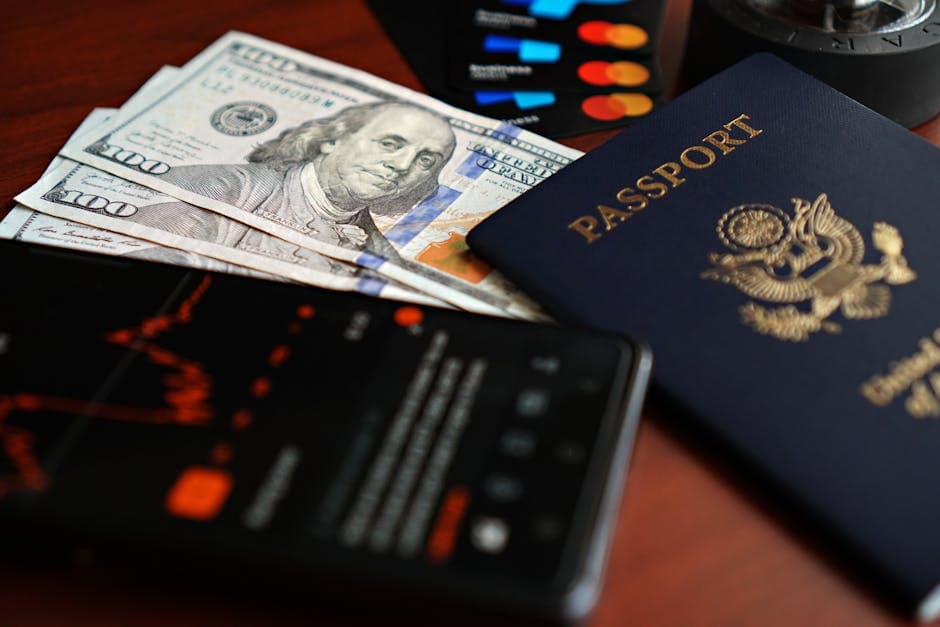
- Passport Validity: Ensure your passport is valid for at least six months beyond the planned duration of your stay.
- Certified Translations: France requires official documents (birth certificates, marriage licenses) to be translated into French by a traducteur assermenté (certified translator).
- Visa Fees: The standard administration fee for a long-stay visa is approximately 99 EUR ($104 USD, Jan 2026). This fee is non-refundable regardless of the application outcome.
Applications should be submitted via the official France-Visas portal between three months and fifteen days before the intended travel date.
Financial Readiness and Banking
French authorities and landlords typically require proof of stable and sufficient income. For many visa categories, the minimum monthly income required is equivalent to the French minimum wage, known as the SMIC.
Estimated Costs and Proof of Funds
- Minimum Income: As of early 2025, the net SMIC is approximately 1,426 EUR ($1,497 USD, Jan 2026) per month. Requirements may vary depending on the specific visa type.
- Bank Accounts: While opening a French bank account from abroad can be difficult, "neo-banks" often allow for an initial IBAN that is accepted for basic utilities. Traditional banks usually require a justificatif de domicile (proof of address) in France.
- Savings: It is recommended to have at least three to six months of living expenses accessible during the transition period.

Housing and the Rental Dossier
The French rental market is highly competitive, particularly in major cities like Paris, Lyon, and Bordeaux. Landlords require a standardized "dossier" to evaluate potential tenants before a viewing is even granted.
Required Dossier Components
To prepare for a move, compile digital and physical copies of the following:
- Identity document (Passport or ID card).
- Last three proof of income (pay slips or tax returns).
- Proof of current address (utility bill or rent receipt).
- Employment contract or proof of student status.
Note that many landlords require a "garant" (guarantor) who lives and pays taxes in France. Foreign nationals without a local guarantor may use services like Visale, a free government-backed guarantee scheme for eligible renters.

Health and Insurance Requirements
France provides a universal healthcare system (Protection Universelle Maladie or PUMa), but there is a mandatory three-month waiting period for non-EU residents before they can apply for a social security number (numéro de sécu).
Immediate Health Steps
- Private Health Insurance: You must obtain private health insurance covering the first three months of your stay. This is often a mandatory requirement for visa approval.
- S1 Form (EU/EEA/UK): Citizens from the EU, EEA, or the UK should obtain an S1 form from their home country’s health service to ensure continuous coverage and easier integration into the French system.
- Medical Records: Prepare a summary of ongoing treatments and a supply of essential medications, as some prescriptions may need to be re-evaluated by a French practitioner.
More information on health rights can be found on the official Ameli website.
Exceptions and Special Cases
Procedures vary significantly based on nationality and the purpose of the move:
- EU/EEA Citizens: Do not require a visa or residence permit but must have valid health insurance and sufficient resources.
- Talent Passport (Passeport Talent): Highly skilled workers, researchers, and artists benefit from a simplified 4-year residency procedure and do not need to validate their visa via the standard VLS-TS portal.
- Regulated Professions: Doctors, lawyers, and architects must verify if their qualifications are recognized in France via the ENIC-NARIC center before moving.