
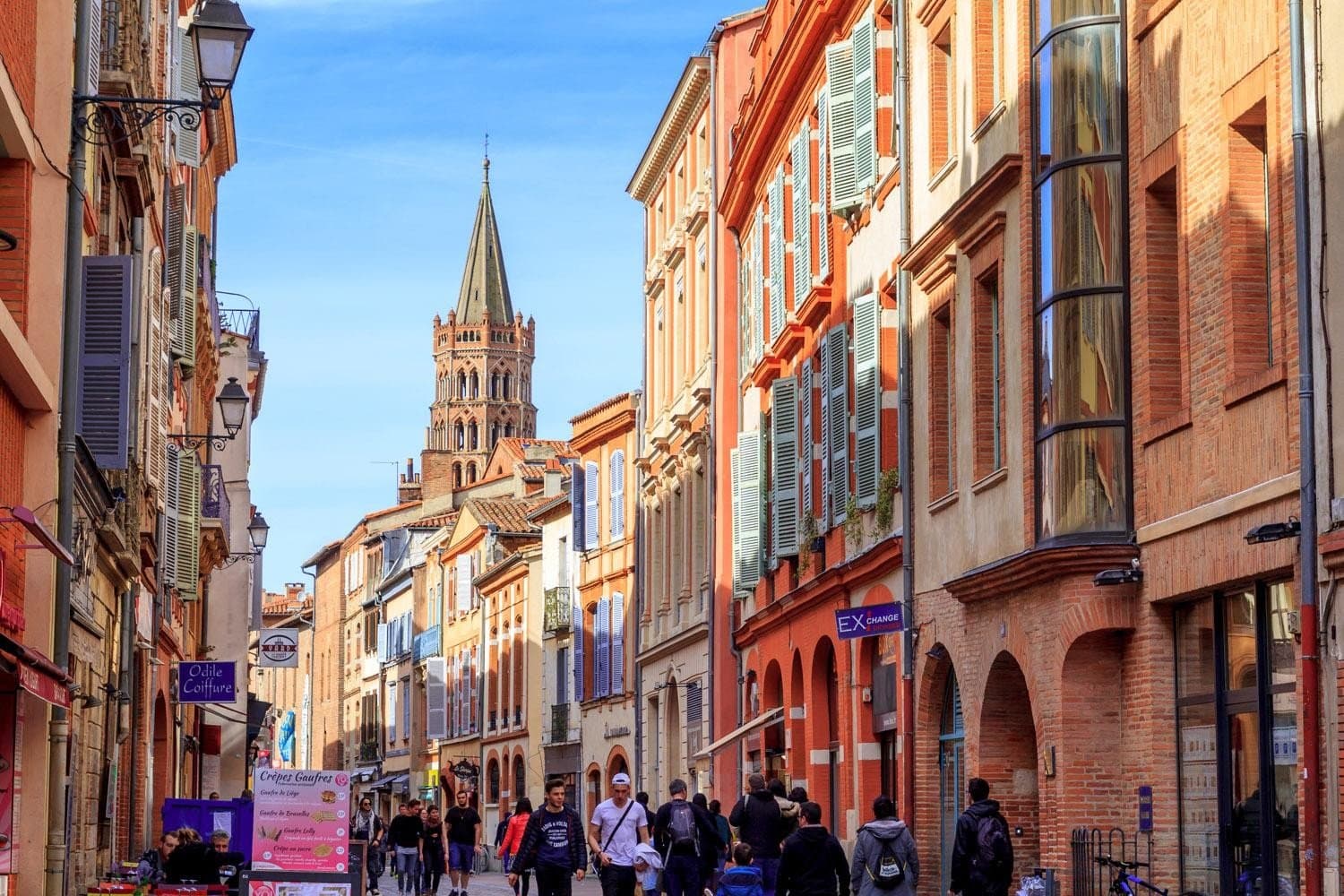
Vibe and Atmosphere
Toulouse, frequently called "La Ville Rose" (The Pink City), is defined by its unique architectural heritage featuring light-colored terracotta bricks. As the fourth-largest city in France, it serves as a primary industrial and economic engine for the Occitanie region. The atmosphere is influenced by a large student population of over 100,000, creating a consistent demand for cultural activities, cafes, and nightlife centered around the Place du Capitole and the Garonne river banks.

Public Transportation
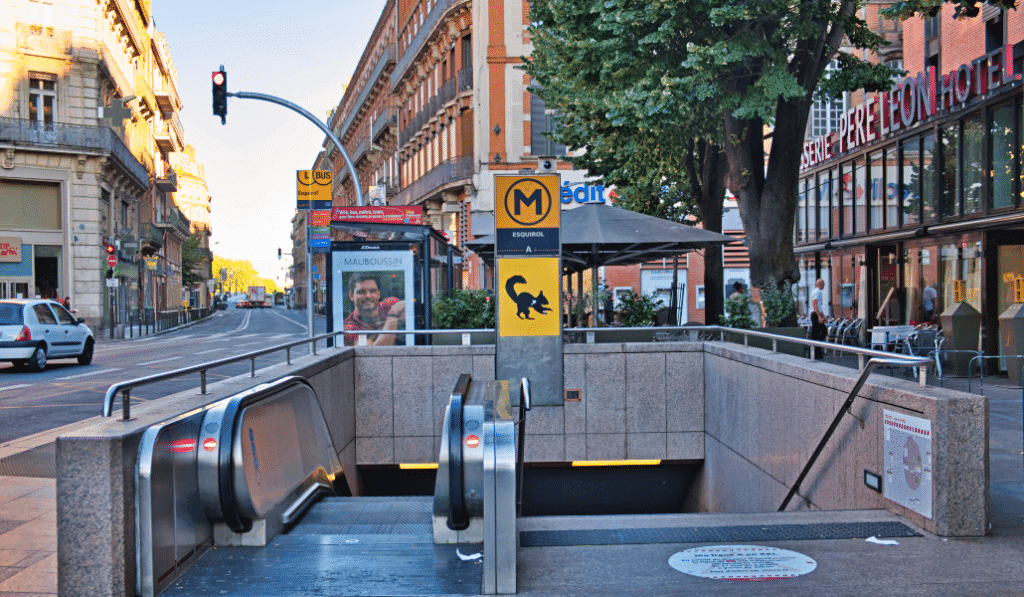
The urban transport network is managed by Tisséo. It includes two automated metro lines (A and B), two tramway lines, and an extensive bus system. A notable feature of the city's infrastructure is the "Téléo" urban cable car, which provides a direct link between the Oncopole medical campus and Paul Sabatier University. The Toulouse-Matabiau railway station serves as the central hub for TGV high-speed trains and regional TER services.
Key Neighborhoods
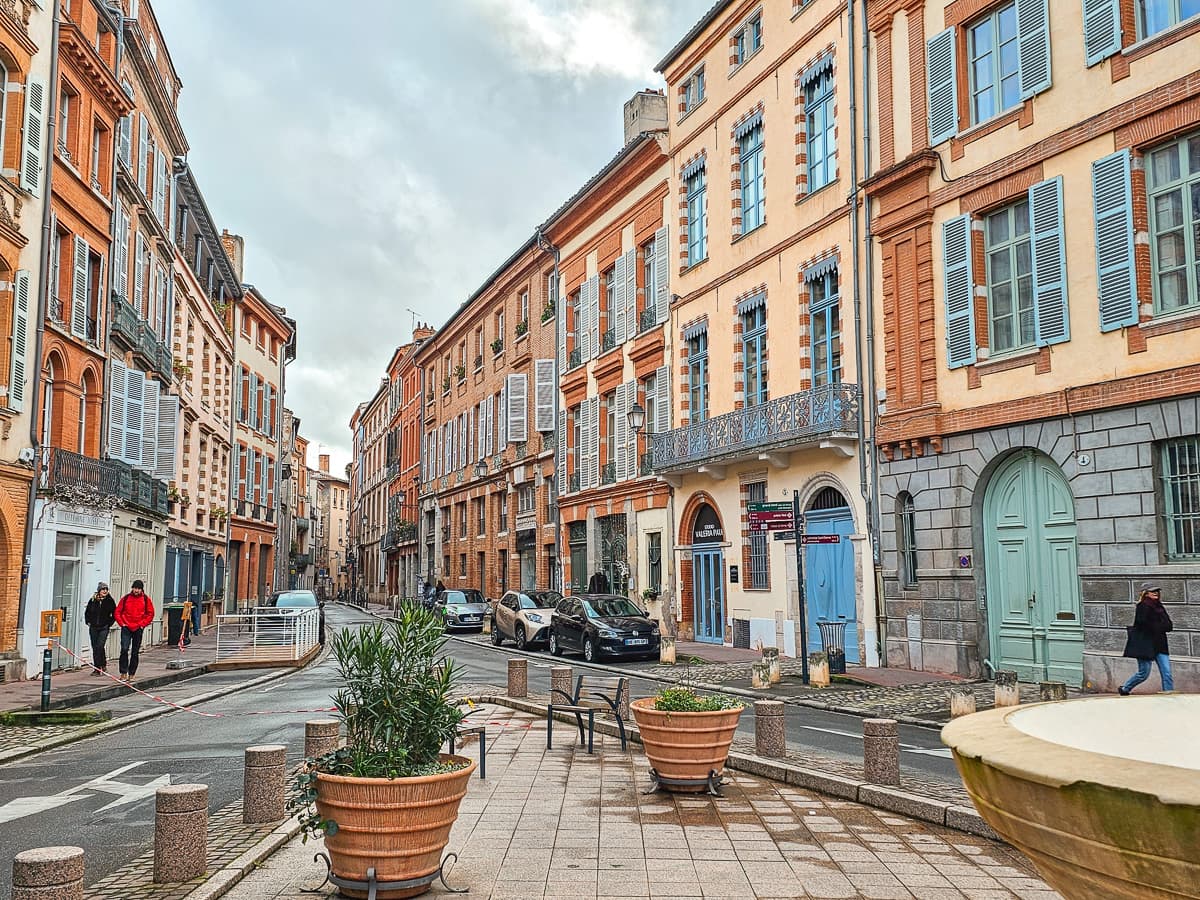
The city center districts of Carmes and Saint-Étienne are highly sought after for their historic charm and proximity to luxury retail. Saint-Cyprien, located on the left bank of the Garonne, has evolved into a trendy area known for its local markets and the Les Abattoirs modern art museum. For professionals working in the aeronautics sector, the western suburbs of Blagnac and Colomiers are practical choices, offering proximity to major corporate campuses and international schooling options.
Cost of Living
The cost of living in Toulouse is significantly lower than in Paris, typically by a margin of 25% to 30%. As of 2025, the average monthly rent for a one-bedroom apartment in the city center is approximately 850 EUR. Basic utilities, including electricity, heating, and water for an 85-square-meter apartment, average between 160 EUR and 210 EUR per month. Food costs are moderated by the availability of large open-air markets, such as the Marché Victor Hugo, which provide fresh regional products at various price points.
Economy and Employment
Toulouse is the global headquarters for Airbus and the French National Centre for Space Studies (CNES). The local economy is heavily specialized in aerospace, satellite technology, and biotechnology. The "Aerospace Valley" competitiveness cluster supports thousands of engineering and research positions. Employment for international residents often requires specific technical qualifications. Visa requirements, such as the "Passeport Talent" for highly skilled workers, depends on individual situation and the specific terms of the employment contract.