
Emergency and Safety Services in France
France maintains a robust and decentralized emergency response network designed to provide rapid assistance across the territory. For foreign nationals residing in or visiting France, understanding the distinction between various services and the specific numbers used to reach them is essential for safety. Most emergency services operate 24/7 and are accessible from any telephone, including mobile phones without a local SIM card or active credit.
In the event of an emergency, callers should be prepared to provide their exact location, a description of the incident, and their contact information. Operators in major cities often have access to English-speaking staff, though basic French phrases may facilitate a faster response in rural areas.
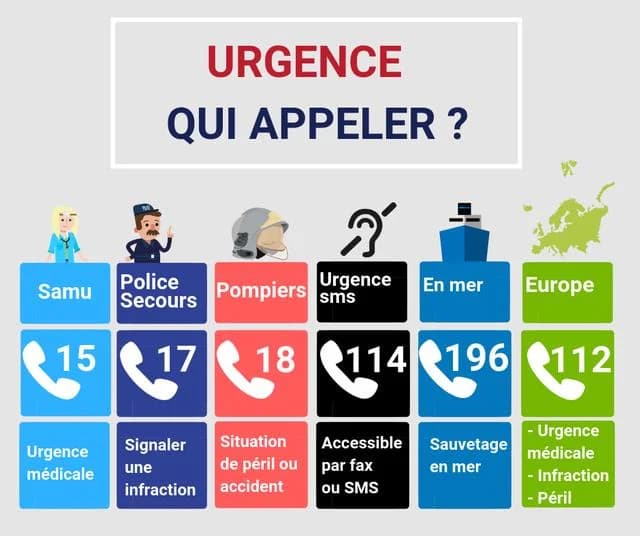
Primary Emergency Contact Numbers
France utilizes several specific emergency numbers depending on the nature of the crisis. While the pan-European emergency number is universal, direct lines to specific services often result in faster dispatch.
- 112: The European emergency number. This is the primary number for foreigners as operators are most likely to speak multiple languages. It routes the call to the appropriate service (Police, Fire, or Medical).
- 15: SAMU (Service d'Aide Médicale Urgente). This is the dedicated line for serious medical emergencies, life-threatening injuries, or illnesses.
- 17: Police Secours. Used to report crimes in progress, public disturbances, or accidents requiring law enforcement intervention.
- 18: Sapeurs-Pompiers (Firefighters). In France, firefighters are frequently the first responders for traffic accidents and domestic medical emergencies in addition to fire suppression.
- 114: A dedicated emergency SMS/Fax number for individuals who are deaf, hard of hearing, or unable to speak on the phone.
Calls to these numbers are free of charge. However, the abusive or fraudulent use of emergency lines is a criminal offense in France, punishable by a fine of up to 30,000 EUR ($31,500 USD, Jan 2026) and potential imprisonment.
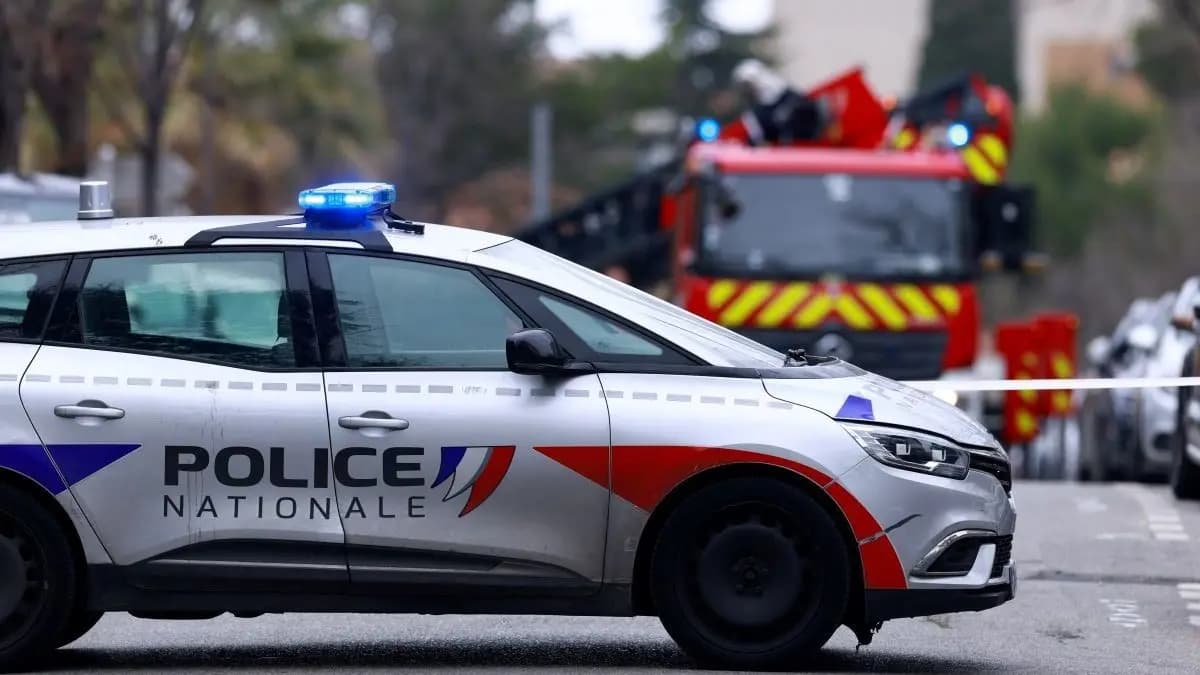
Law Enforcement Agencies
Public safety in France is managed by three distinct entities, each with specific jurisdictions and roles. Foreigners should recognize these different uniforms and vehicles to identify the correct authority.
Police Nationale
The Police Nationale is a civilian force under the Ministry of the Interior. They primarily operate in urban areas and large cities. They are responsible for criminal investigations, public order, and border control. Administrative tasks, such as applying for or renewing residency permits, are often handled by the Préfecture, which works closely with the national police.
Gendarmerie Nationale
The Gendarmerie is a military force with police duties. They generally operate in rural areas, small towns (typically under 20,000 inhabitants), and on French motorways. While they perform similar tasks to the Police Nationale, they fall under the jurisdiction of the Ministry of the Armed Forces for military matters and the Ministry of the Interior for civil duties.
Police Municipale
Many towns and cities also employ Police Municipale. These officers are managed by the local Mayor and focus on local ordinances, traffic regulation, and community safety. They do not have the same investigative powers as the National Police or Gendarmerie.
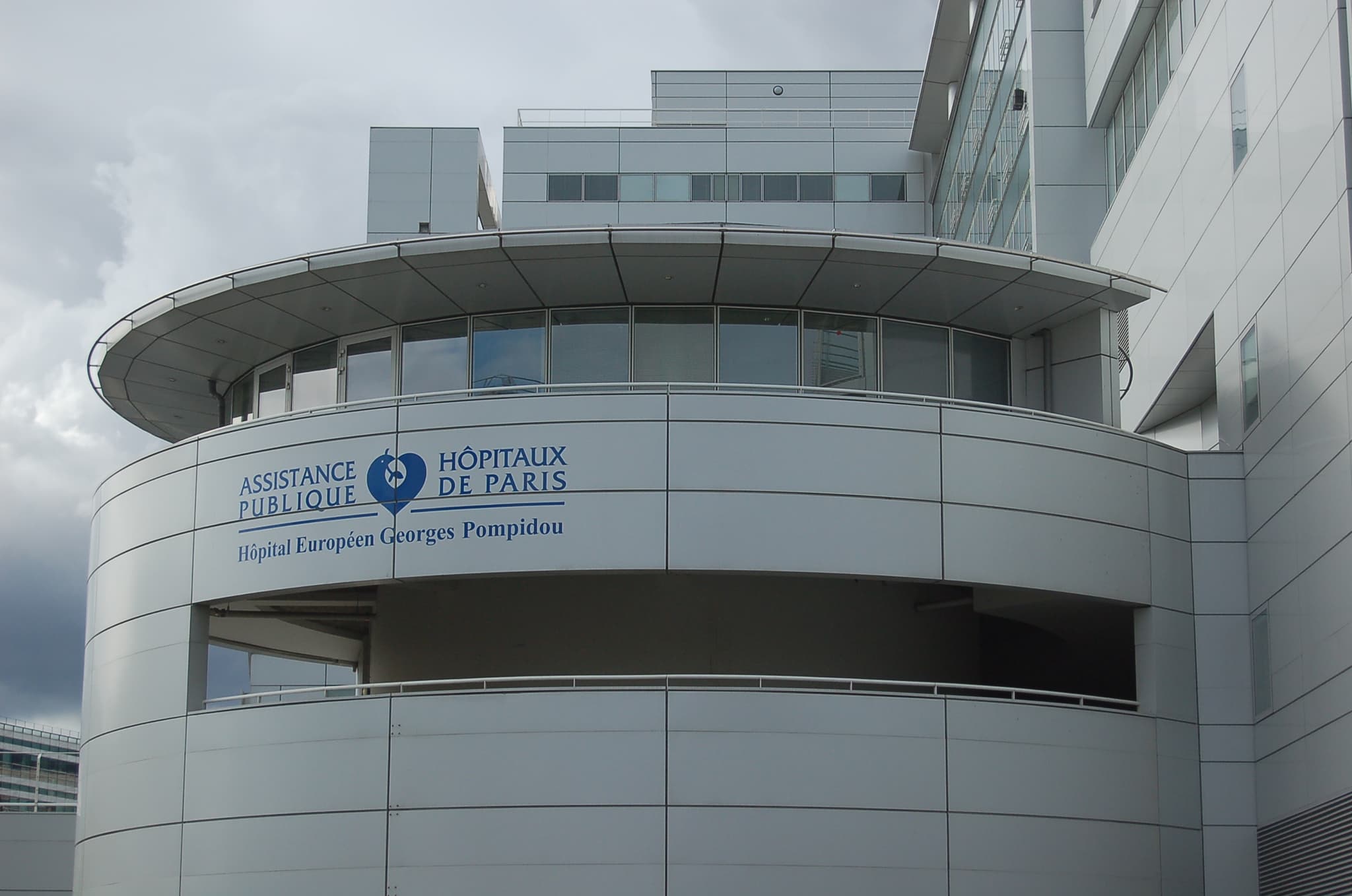
Medical Emergencies and Hospitals
Emergency medical care in France is high-quality and accessible to everyone, regardless of nationality or insurance status, though costs may apply afterward. The system is divided between emergency dispatch (SAMU) and hospital emergency departments (Urgences).
If an individual goes to a hospital emergency room (les urgences) without being admitted for an overnight stay, they may be charged a flat fee known as the "Forfait Patient Urgences" (FPU). As of early 2026, this fee is approximately 19.61 EUR ($20.60 USD, Jan 2026). This fee is usually covered by French social security (L'Assurance Maladie) or private complementary health insurance (mutuelle).
For non-life-threatening medical issues when GP offices are closed (nights and weekends), individuals should call 116 117 to reach an "out-of-hours" doctor, rather than calling emergency services. This helps keep emergency lines open for critical cases.
Official information regarding healthcare rights for foreigners can be found on the Ameli website.
Reporting Incidents and Public Alerts
For non-emergency reporting, such as theft, property damage, or lost documents, foreign nationals should use the official administrative channels rather than calling emergency numbers.
Filing a Complaint (Plainte)
If you are a victim of a crime, you can file a formal complaint (plainte) at any police station or gendarmerie. To save time, the French government provides an online "Pre-plainte" service for crimes against property (such as theft or vandalism) where the perpetrator is unknown. This allows victims to fill out details online before attending a scheduled appointment at a station to sign the document.
- Official Pre-plainte portal: pre-plainte-en-ligne.gouv.fr
FR-Alert System
France utilizes "FR-Alert," a cellular broadcast system that sends notifications to mobile phones in specific geographic areas during major emergencies (natural disasters, industrial accidents, or security threats). These alerts do not require an app and will appear on the screen accompanied by a specific sound and vibration, even if the phone is on silent mode.
Consular Assistance
Foreign nationals who lose their passport or require legal assistance related to their citizenship should contact their home country's embassy or consulate in France. The French authorities cannot issue replacement foreign travel documents or provide legal representation for foreign citizens.