Grocery Shopping in France
Grocery shopping in France involves a combination of large supermarket chains, specialized local shops, and open-air markets. Understanding the operational hours and cultural norms is essential for daily life. Most supermarkets are open from 08:30 to 20:00 or 21:00, Monday through Saturday. In larger cities, some stores may open on Sunday mornings until 12:30, though many remains closed all day Sunday due to labor regulations.
Types of Retailers
- Hypermarkets: Large stores like Carrefour, E.Leclerc, and Auchan, often located in suburban commercial zones.
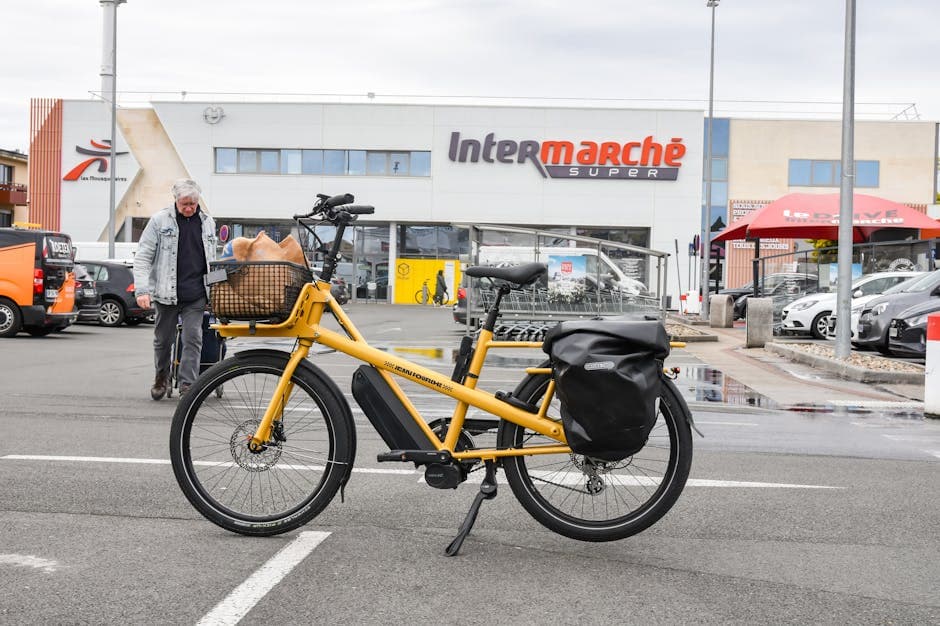
- Supermarkets: Mid-sized city stores such as Monoprix, Franprix, and Intermarché.
- Discounters: Budget-friendly options including Lidl and Aldi.
- Proximity Stores: Small "Carrefour City" or "Casino Shop" locations found in residential neighborhoods.
- Weekly Markets (Marchés): Open-air markets selling fresh produce, cheeses, and meats, typically operating from 08:00 to 13:00 on specific days.
Cost of Living Staples
Prices vary by region, with Paris generally being the most expensive. As of early 2026, average prices for basic goods are as follows:
- A standard baguette: 1.15 EUR ($1.21 USD, Jan 2026).
- One liter of milk: 1.25 EUR ($1.31 USD, Jan 2026).
- 12 regular eggs: 3.80 EUR ($3.99 USD, Jan 2026).
- 1kg of local cheese: 15.00 EUR ($15.75 USD, Jan 2026).
Note: France has banned single-use plastic bags. Shoppers are expected to bring their own reusable bags or purchase durable bags at the checkout for approximately 0.20 EUR ($0.21 USD, Jan 2026) to 0.90 EUR ($0.95 USD, Jan 2026).
Postal Services and Deliveries
The national postal service in France is La Poste. It manages mail delivery, parcel services (Colissimo), and even provides banking services via La Banque Postale. Physical post offices are recognizable by their yellow and blue branding.
Sending Mail and Parcels
As of 2025, La Poste has moved toward digital solutions for standard mail. The traditional "Red Stamp" (next-day delivery) has been replaced by the e-Lettre rouge, which is sent online and printed by the post office near the recipient. The "Green Stamp" (Lettre verte) remains available for standard delivery within 3 days, costing approximately 1.35 EUR ($1.42 USD, Jan 2026) for a standard 20g letter.
Registered Mail
For administrative or legal matters in France, it is often mandatory to use Lettre Recommandée avec Accusé de Réception (LRAR). This provides legal proof of postage and proof of receipt. You can track these shipments on the official La Poste website.
Parcel Pick-up Points
In addition to home delivery, many residents use Points Relais (pickup points). These are local shops (convenience stores, florists, etc.) where couriers drop off packages. This service is often cheaper and more convenient for those not at home during the day. Major networks include Mondial Relay and Relais Colis.

Waste Management and Recycling
Waste management in France is organized at the municipal level (commune or mairie). Rules regarding sorting can vary slightly between cities, but the national standard for le tri sélectif (selective sorting) is increasingly harmonized.
Sorting Categories
Most households utilize a three-bin system, often identified by the color of the bin lid:
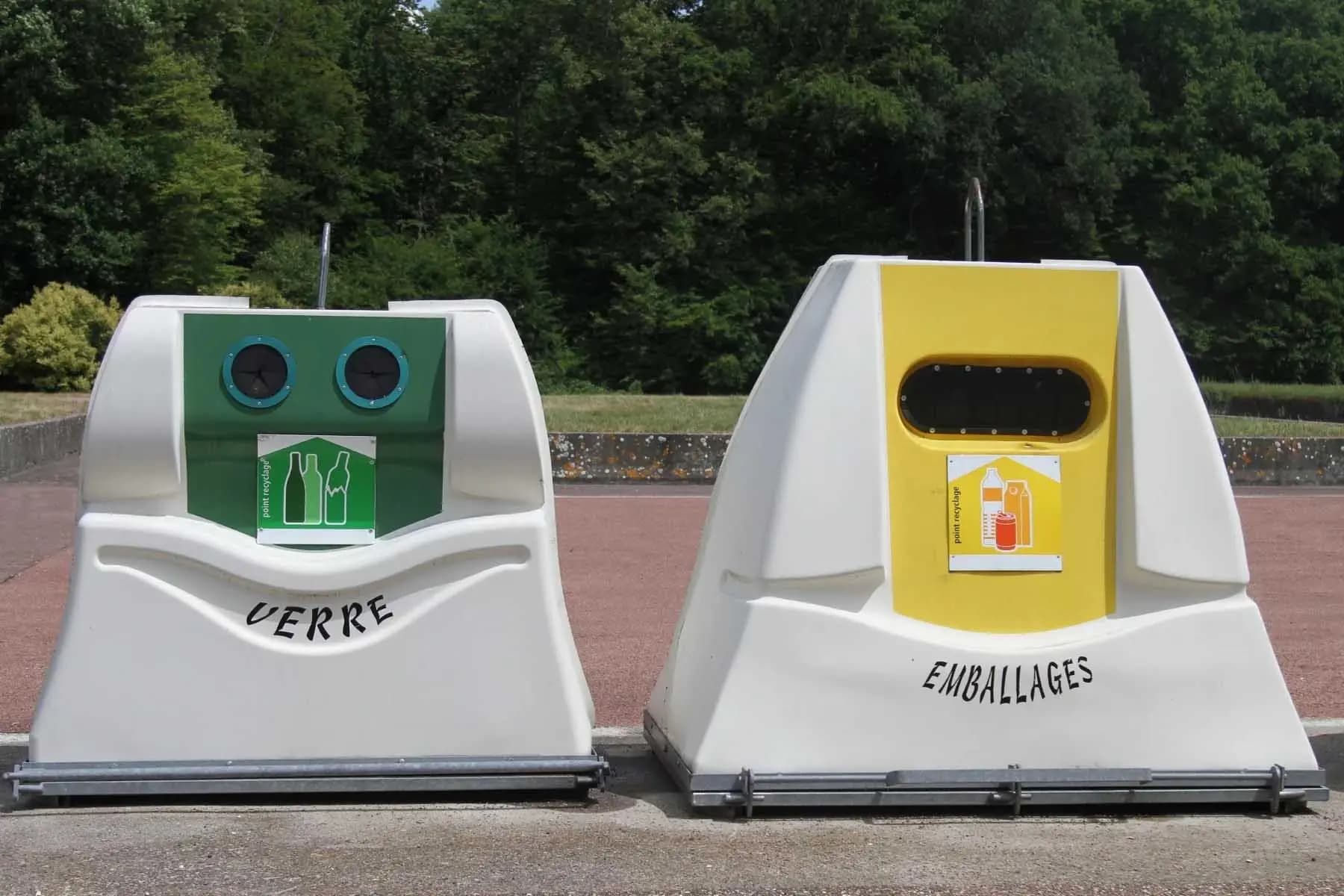
- Yellow Bin (Jaune): Recyclable packaging including plastic bottles, metal cans, cardboard, and all types of paper. Since 2023, nearly all plastic packaging is accepted in the yellow bin nationwide.
- Green Bin/Container (Vert): Glass bottles and jars only. Caps and lids should be removed and placed in the yellow or gray bin. These are often communal containers located on street corners.
- Gray or Brown Bin (Gris/Marron): Household waste that cannot be recycled (non-recyclable plastics, cigarette butts, etc.).
Bio-waste Regulations
Since January 1, 2024, in accordance with European directives and the French "Anti-waste Law for a Circular Economy," sorting organic waste (food scraps, peelings) is mandatory. Local municipalities must provide residents with a solution, which may include individual compost bins, neighborhood composting points, or separate door-to-door bio-waste collection.
Bulky Items and Hazardous Waste
Large items like furniture or appliances (les encombrants) are collected on specific dates or must be taken to a local déchetterie (waste disposal center). Dumping items on the sidewalk outside of designated times is illegal and subject to fines. Information on collection schedules is available at each local Mairie or Service-Public portal.