
Overview of French University Admissions
Applying to a higher education institution in France follows a centralized and standardized procedure. The process depends primarily on the applicant's nationality, their country of residence, and the level of study they wish to enter (Undergraduate or Graduate). For the 2025/2026 academic year, most applications are managed through three primary digital platforms: Parcoursup, Mon Master, and the "Études en France" (EEF) portal.
International students must identify whether they belong to a country covered by the "EEF" procedure. This mandatory platform streamlines the application for both the university admission and the long-stay student visa. Currently, over 65 countries are integrated into this system, including the United States, China, India, and several nations across Africa and Southeast Asia.

Primary Application Platforms
Parcoursup for Undergraduate Studies
The Parcoursup platform is the main entry point for students wishing to enter the first year of a Bachelor’s degree (Licence 1), as well as specific competitive programs like BTS or CPGE. This platform is used by French citizens, EU/EEA nationals, and non-EU students who are already residing in France or have obtained a French Baccalauréat abroad.
Mon Master for Graduate Studies
For students seeking entry into the first year of a Master’s degree (Master 1), the Mon Master platform centralizes applications for public universities. It allows applicants to submit a single dossier to multiple programs. Note that certain private institutions or specialized schools may still require direct application through their own websites.
Études en France (EEF) Procedure
Foreign nationals residing in one of the 67 countries covered by the "EEF" procedure must use the Campus France portal. This system manages the "Demande d'Admission Préalable" (DAP) for first-year undergraduate programs and the "Hors-DAP" procedure for higher levels of study. Failure to use this portal when required will result in the automatic rejection of the visa application.
Required Documents and Language Proficiency
While specific requirements vary by institution, a standard set of documents is required for all international applications in France. All documents not originally in French or English must typically be accompanied by a certified translation from a sworn translator.
The core application package usually includes:
- Identity Document: A valid passport or national ID card.
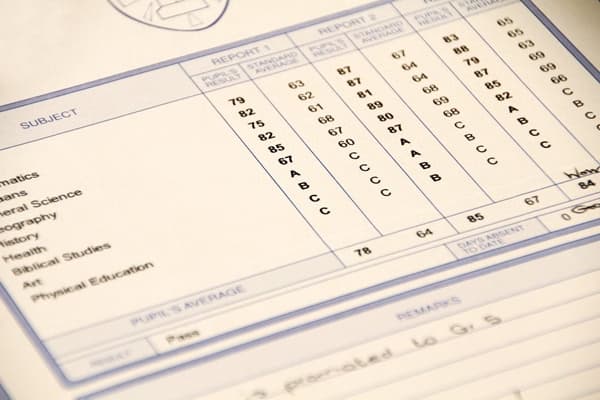
- Academic Transcripts: Complete records of the last three years of secondary or post-secondary education.
- Diplomas: Proof of completion of the high school diploma (Baccalauréat equivalent) or previous university degrees.
- Curriculum Vitae (CV): A summary of academic and professional experience.
- Cover Letter: A "Lettre de Motivation" explaining the choice of program and career goals.
Language Requirements
For programs taught in French, most universities require a minimum level of B2 on the Common European Framework of Reference for Languages (CEFR). Some competitive programs or humanities degrees may require C1. Accepted certifications include the TCF (Test de Connaissance du Français), DELF, or DALF.
For programs taught in English, students must provide scores from recognized tests such as IELTS, TOEFL, or Cambridge English. The required score depends on the individual institution.
Application Fees and the CVEC
The cost of applying to French institutions consists of administrative fees and the mandatory student life contribution. These fees are subject to annual adjustment by the French government.
- Campus France Fee: Students in the EEF procedure usually pay a processing fee to their local Campus France office. This fee varies by country but is generally around 130 EUR ($137 USD, Jan 2026).
- University Application Fees: While public universities often have no separate application fee beyond the national platform, private business or engineering schools may charge between 50 EUR ($53 USD, Jan 2026) and 150 EUR ($158 USD, Jan 2026).
- CVEC: Once admitted and before final enrollment, all students must pay the "Contribution à la Vie Étudiante et de Campus" (CVEC). For the 2025/2026 period, this is estimated at 105 EUR ($110 USD, Jan 2026). This fee funds student services, health, and sports.
Note: Students receiving a French government scholarship (BGF) or an Erasmus+ grant are generally exempt from the CVEC payment.
Deadlines and Timeline
The French academic calendar starts in September or October. To secure a place, students must respect the national timeline, which typically begins almost a year in advance.
- November – December: Opening of the Études en France and DAP procedures.
- January – March: Opening of the Parcoursup and Mon Master platforms.
- April – May: Universities issue admission decisions.
- June – July: Finalization of the enrollment (inscription administrative) and visa application for international students.
Exceptions and Special Cases
Students applying to private art schools, specialized professional institutes, or doctoral (PhD) programs may need to apply directly to the institution's website. In these cases, the timeline and required documents are set by the school itself. It is recommended to contact the international relations office of the specific school to confirm their internal procedures.