
Vibe and Lifestyle
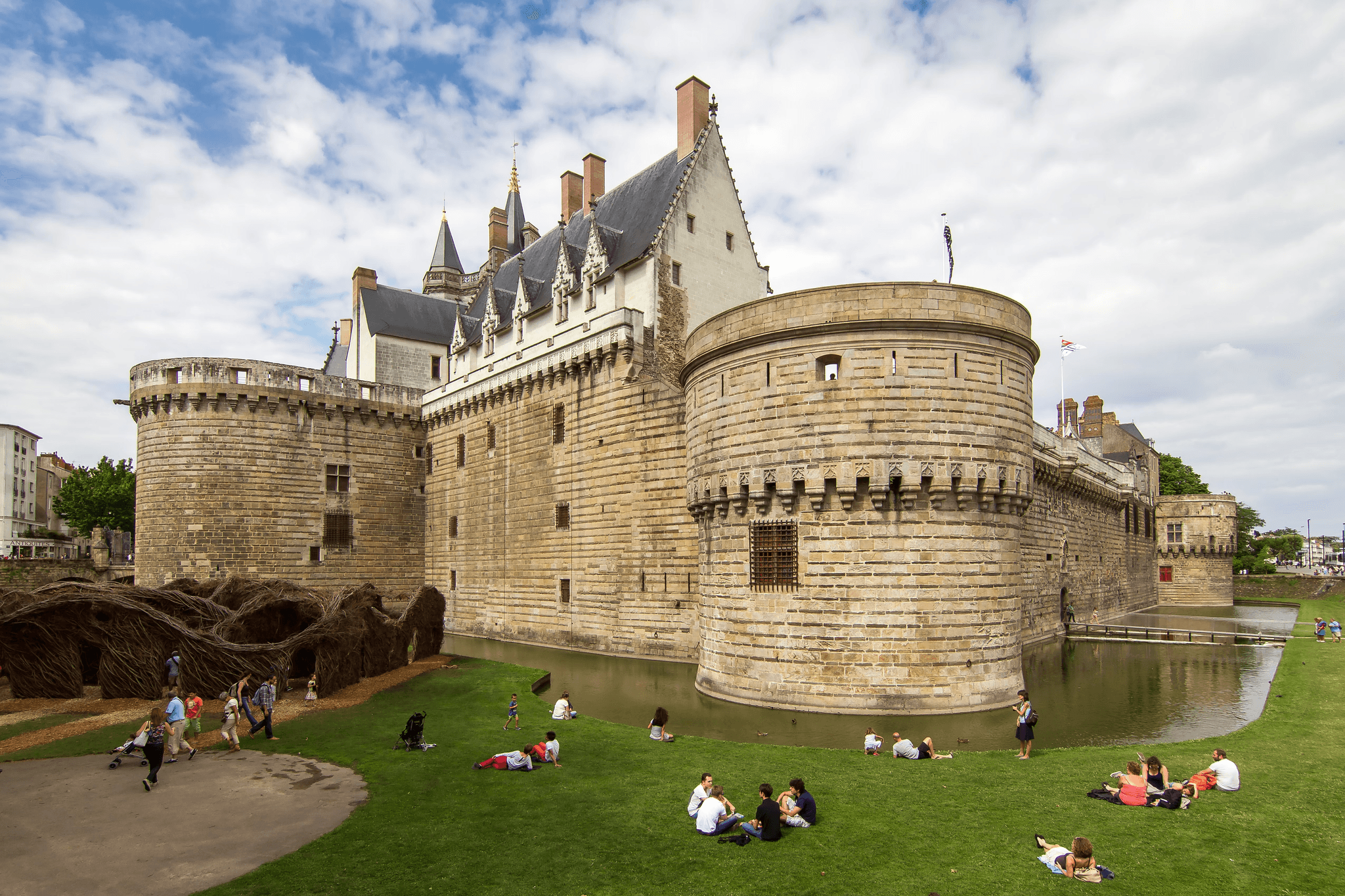
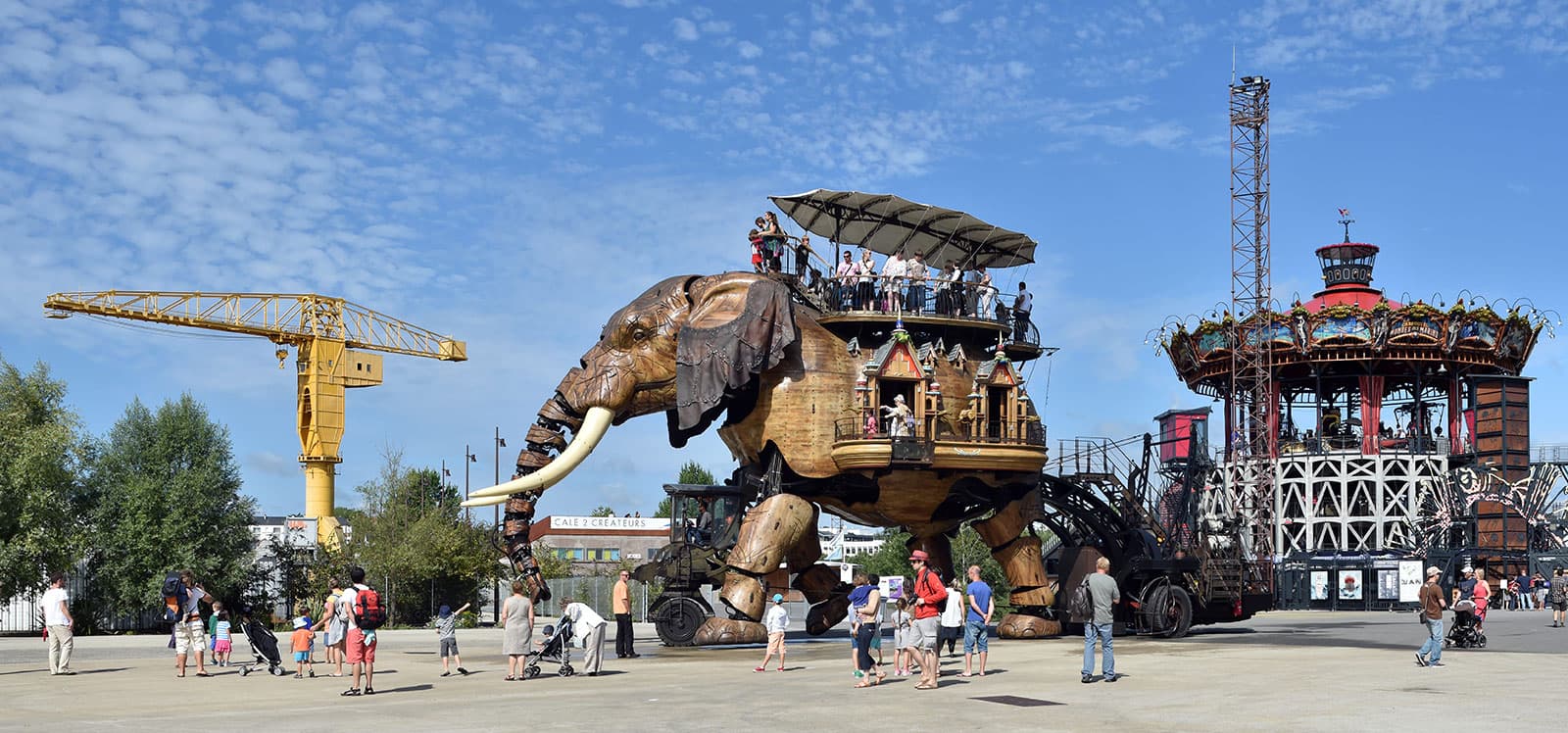
Nantes is recognized for its transition from a major industrial port to a center for culture and technology. The city maintains a balance between historic preservation and modern development, evidenced by the transformation of the former shipyards into artistic spaces. It was designated the European Green Capital in 2013 and continues to prioritize urban parks and sustainable living.
Transportation and Connectivity
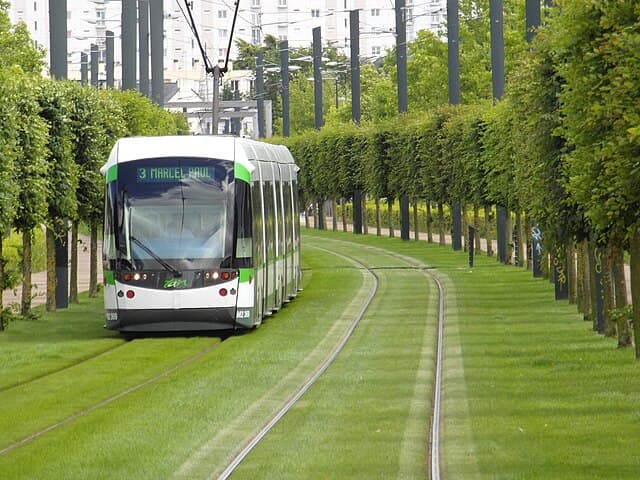
The city is served by an integrated public transport network managed by Naolib, which includes three tramway lines, a dedicated busway, and numerous bus routes. Nantes is a major railway junction, with TGV services connecting to Paris in approximately two hours. The Nantes Atlantique Airport provides international and domestic flight options.
Neighborhoods and Housing
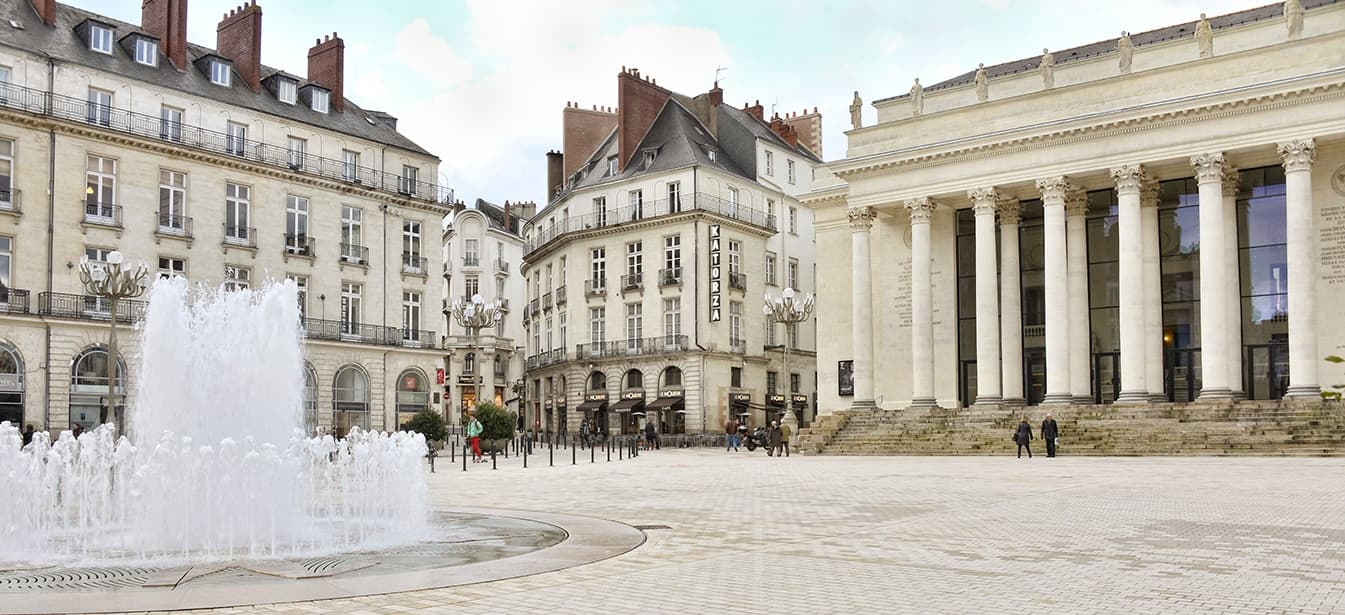
The city is divided into several distinct districts. Bouffay is the historic heart, featuring timber-framed houses and a high density of restaurants. Graslin serves as the upscale residential and commercial center, characterized by 18th-century architecture. The Île de Nantes is a hub for the creative industries and modern apartment complexes, while Chantenay offers a more village-like atmosphere on the hills overlooking the Loire.
Cost of Living
The cost of living in Nantes is lower than in Paris but higher than in many smaller French cities. Monthly utility costs for a standard 85m² apartment average approximately 165 EUR. Public transport passes and grocery prices are consistent with national averages for Tier 2 French cities. Housing demand remains high, particularly for small to medium-sized apartments in the city center.