
Urban Landscape and Lifestyle
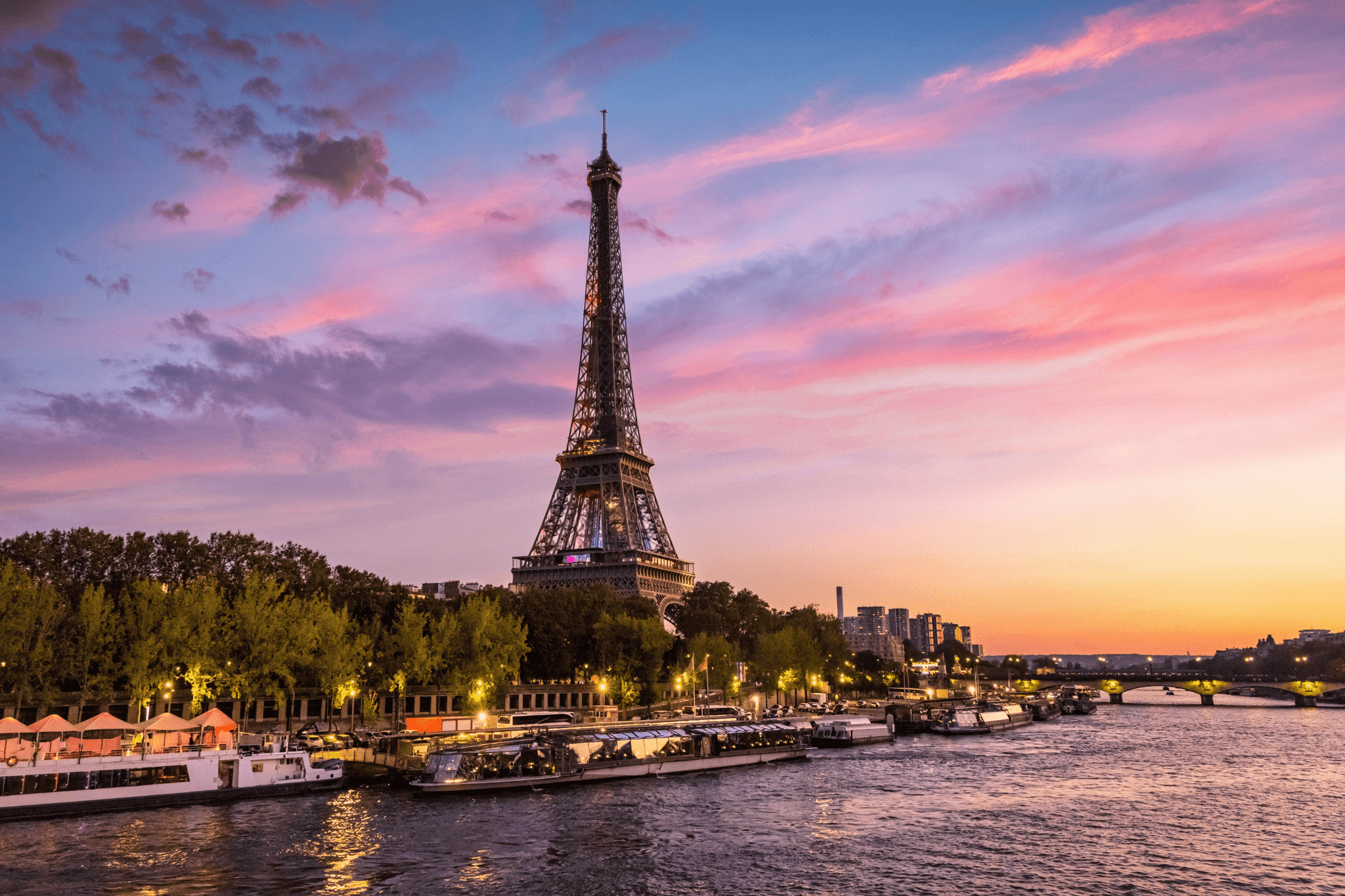
Paris is the most densely populated city in the European Union, serving as the primary economic engine of France. The city is divided into 20 administrative districts known as arrondissements, arranged in a clockwise spiral starting from the center. Residents experience a lifestyle centered around walkability, local commerce, and a high concentration of cultural institutions including over 130 museums and 2,000 historical monuments.
Transportation and Connectivity
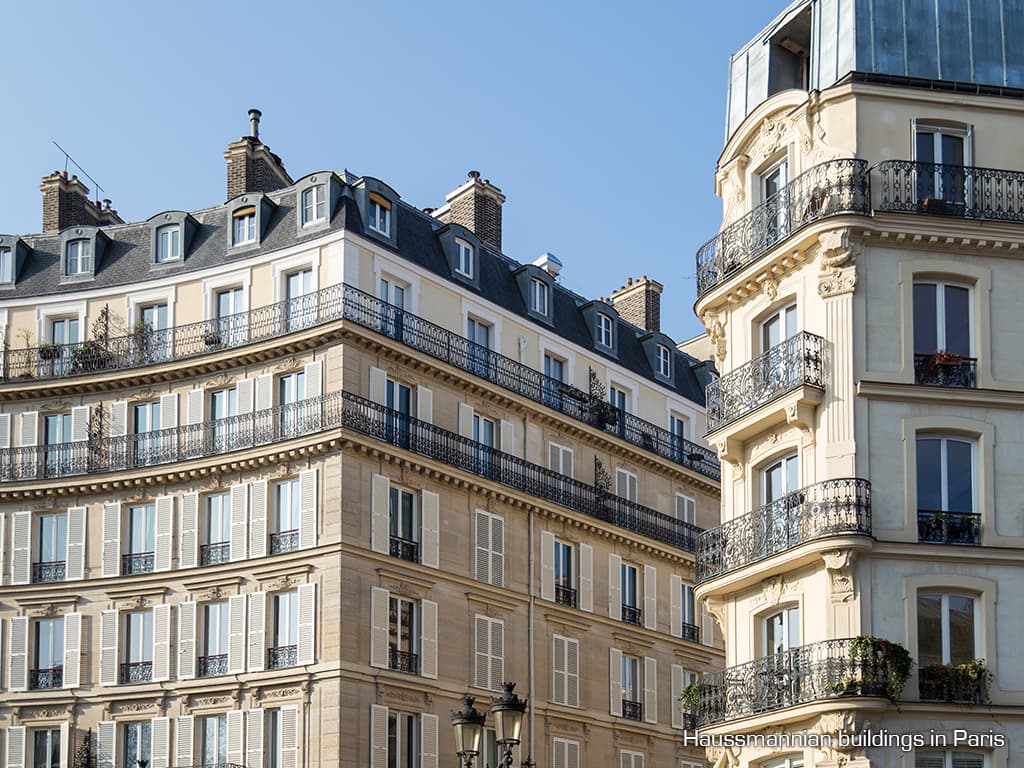
The city's transportation network is managed primarily by the RATP and is designed for high-frequency transit. The system integrates the Metro, RER (Regional Express Railway), and an extensive bus network. Paris is also a major international hub, connected by the Gare du Nord for Eurostar services and two primary airports, Charles de Gaulle (CDG) and Orly (ORY).
- Metro: 16 lines covering the 105 square kilometers of the city proper.
- RER: Five lines (A, B, C, D, E) connecting the city center to the greater Île-de-France region.
- Velib' Métropole: A large-scale bicycle-sharing system with over 1,400 stations.
- Walking: Most daily necessities are reachable within a 15-minute walk in most arrondissements.
Housing and Neighborhoods
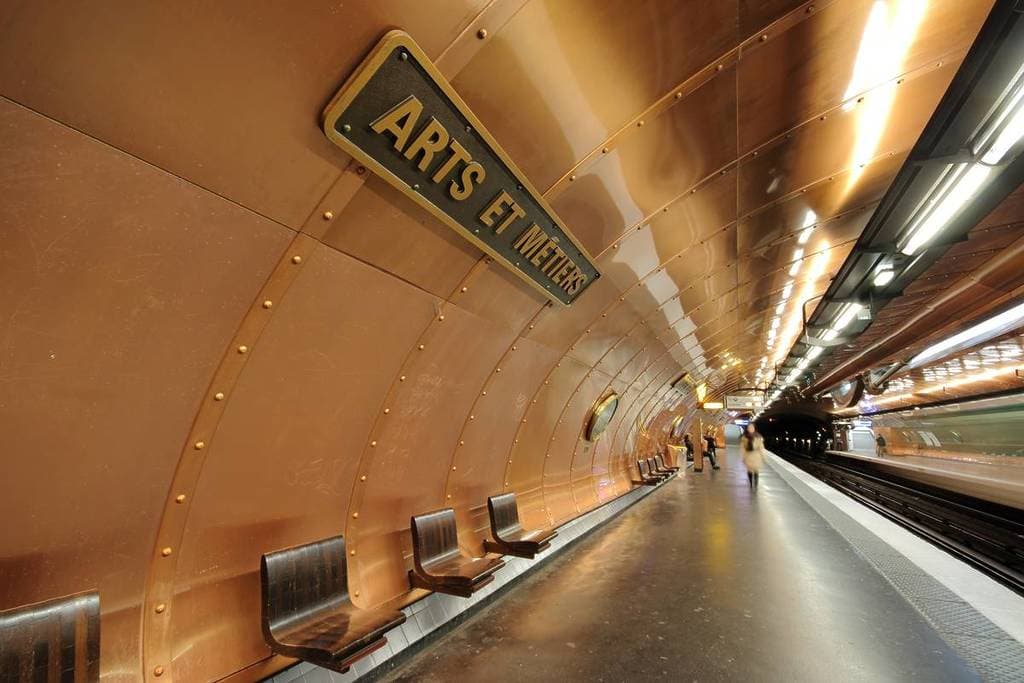
The Parisian rental market is highly competitive and subject to strict regulations. Rent control measures, known as encadrement des loyers, are in place to limit price surges in the private sector. Housing typically consists of apartments in stone buildings dating from the late 19th century, often featuring high ceilings and parquet flooring.
Popular Residential Areas
- 15th Arrondissement: A large, residential district popular with families due to its safety and proximity to parks like Parc André Citroën.
- 11th Arrondissement: A high-density area known for its vibrant culinary scene and proximity to the Place de la Bastille.
- 17th Arrondissement (Batignolles): A neighborhood undergoing significant modernization with new green spaces and commercial developments.
- 6th Arrondissement: A prestigious area on the Left Bank (Rive Gauche) known for its historic literary connections and high real estate costs.
Administrative Requirements
Relocating to Paris involves several mandatory administrative steps. Foreign nationals must interface with the Prefecture de Police for residency permits (titres de séjour). Access to the healthcare system is managed through the CPAM (Caisse Primaire d'Assurance Maladie), which requires a social security number.
The French rental process often requires a 'dossier' containing proof of income, identification, and frequently a French guarantor (garant).
Utilities such as electricity and gas are primarily provided by EDF and Engie, while high-speed fiber internet is widely available through multiple national providers. For official information regarding visas and work permits, individuals should consult the official France-Visas portal.