
City Overview
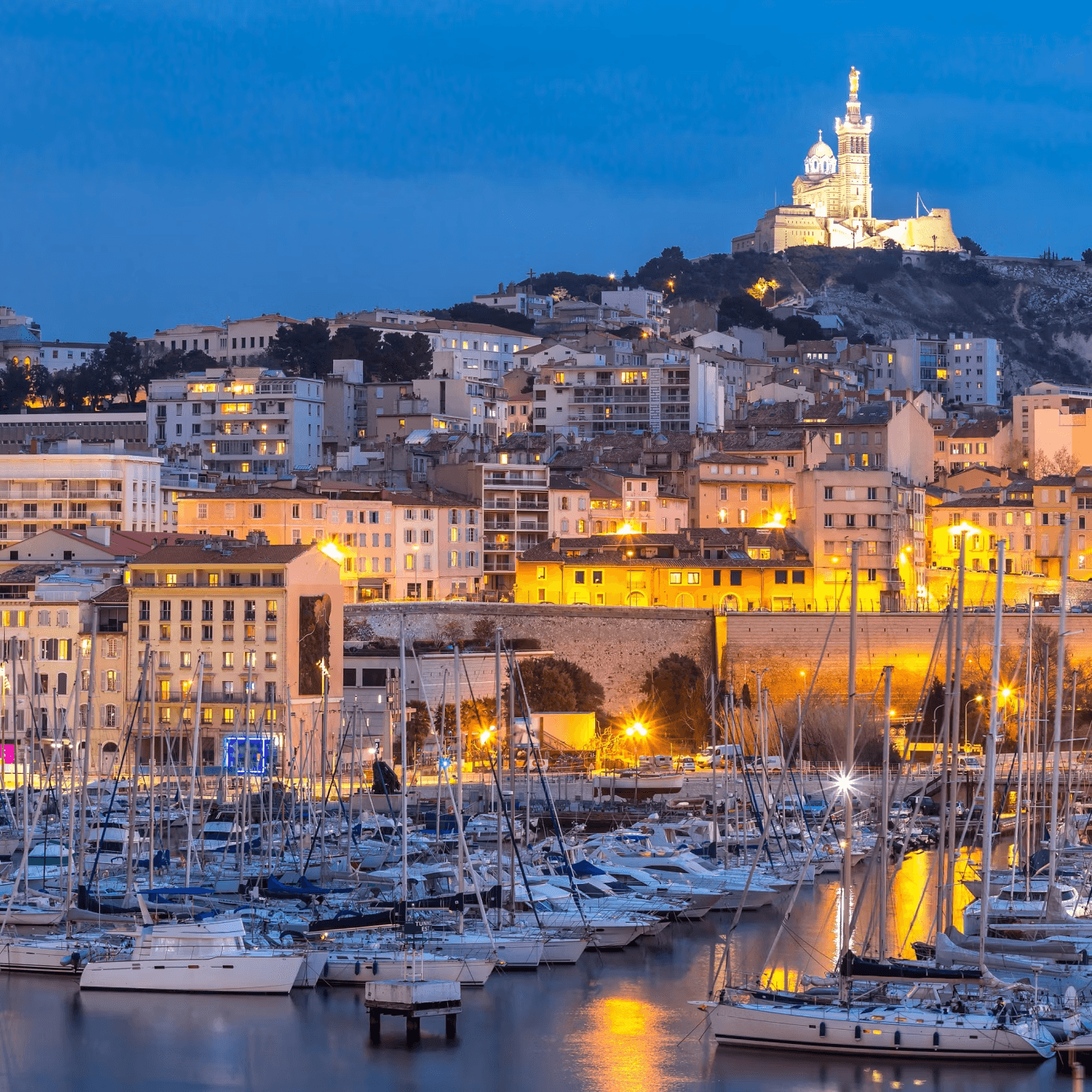
Marseille is the second-largest city in France and the capital of the Bouches-du-Rhône department. Established by Phocaean Greeks around 600 BC, it remains one of the most significant ports in the Mediterranean. The city is characterized by its limestone cliffs, known as the Calanques, and a climate that provides over 2,800 hours of sunshine annually.
Neighborhood Guide
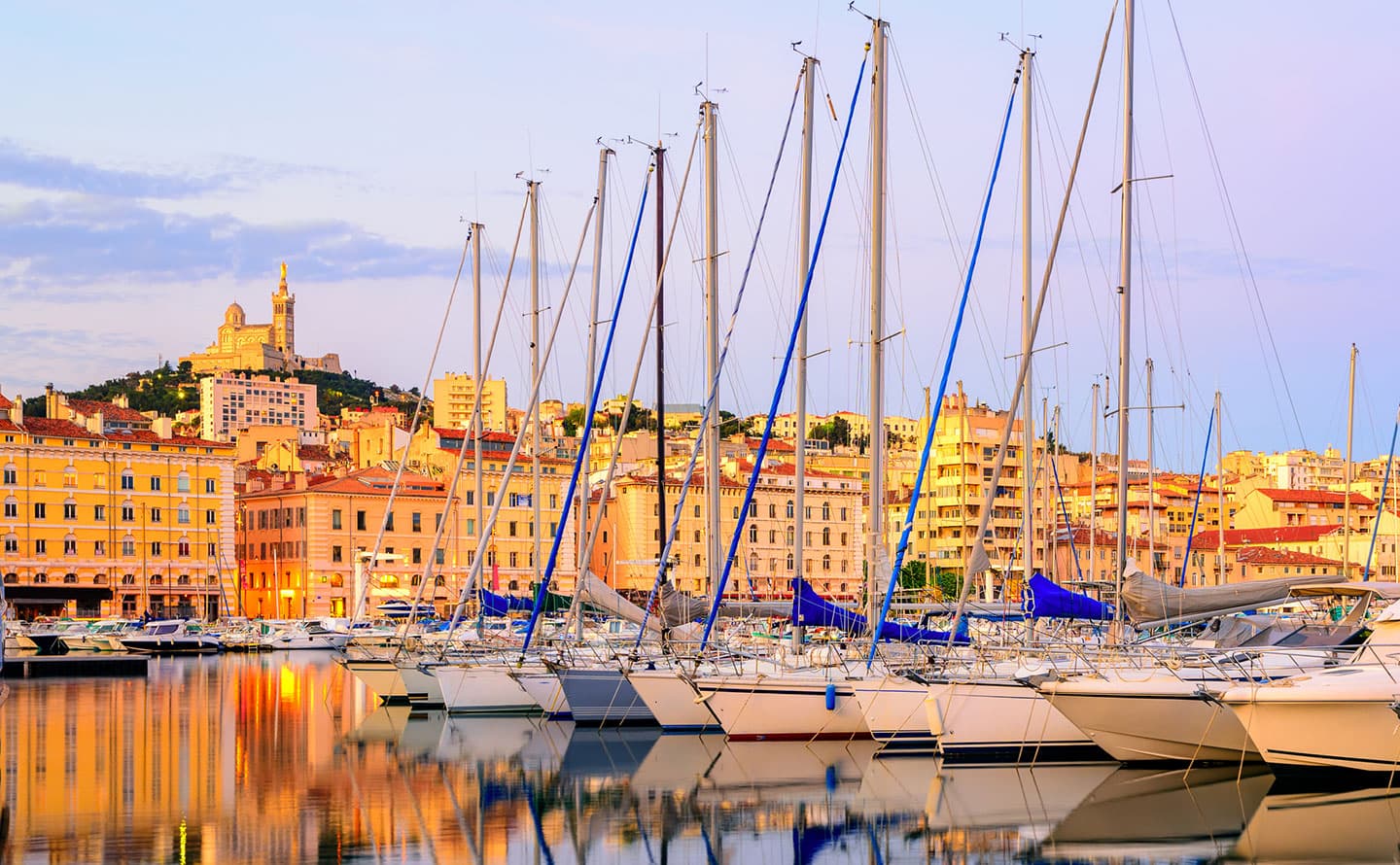
Marseille is divided into 16 municipal arrondissements. Choosing a district depends on proximity to the port, workplace, or residential preferences.
- Le Panier (2nd Arrondissement): The historic heart of the city, featuring narrow alleys and proximity to the MuCEM museum.
- La Joliette: A business district that has undergone significant urban renewal, housing the Euroméditerranée project.
- Le Roucas-Blanc (7th Arrondissement): An affluent residential area located on a hill, offering panoramic views of the sea.
- Cours Julien (6th Arrondissement): A central district known for its creative industries, street art, and local markets.
Cost of Living and Housing
As of 2025, the cost of living in Marseille is approximately 30% lower than in Paris, though prices vary significantly by district. The average rent for a one-bedroom apartment in the city center is 850 EUR, while three-bedroom apartments range from 1,400 EUR to 1,800 EUR. Basic utilities, including electricity, heating, and water, average 160 EUR per month for an 85m² apartment.
The local real estate market has seen a 4% year-on-year increase in rental prices due to high demand in renovated coastal areas.
Transportation Infrastructure
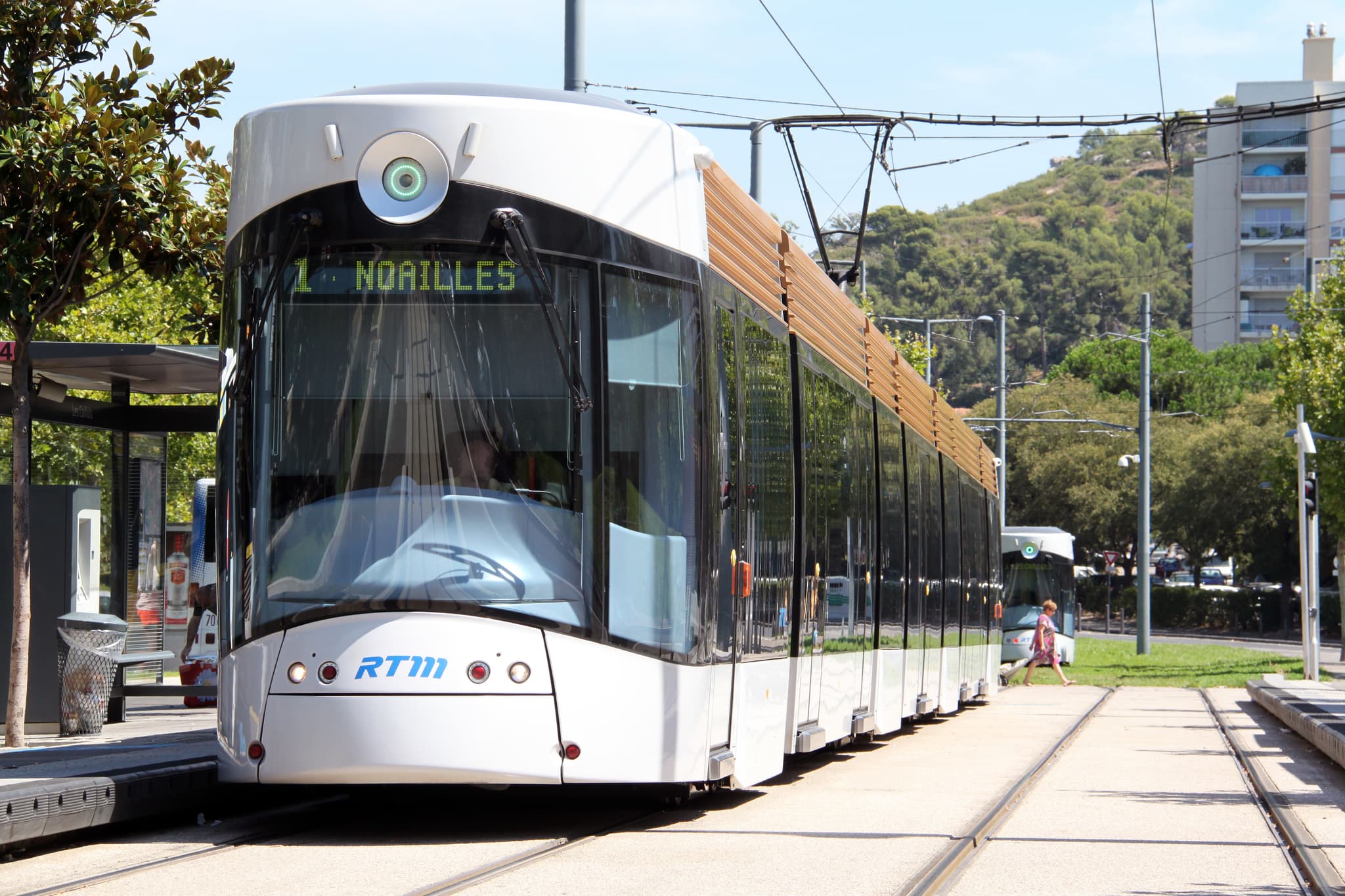
The city's public transport is managed by RTM (Régie des Transports Métropolitains). The network consists of two metro lines (M1 and M2), three tramway lines, and over 80 bus routes. For regional travel, the Marseille-Saint-Charles station provides TGV services to Paris in 3 hours and 5 minutes. The Marseille Provence Airport is the main international gateway, located 27 kilometers from the city center.
Employment and Economy
Marseille's economy is diversified across maritime logistics, tourism, and digital technology. The Port of Marseille-Fos is the largest in France and a major employer in the region. The city has also become a hub for submarine cable landings, making it a critical point for global internet infrastructure. Major sectors for international workers include research, healthcare, and the growing tech ecosystem centered around the French Tech Marseille initiative.
Visa and Residency Requirements
The legal requirements for living in Marseille depend on the individual's nationality. Citizens of the European Union (EU), European Economic Area (EEA), and Switzerland do not require a visa to live or work in France. For non-EU citizens, the following applies:
- Long-Stay Visa (VLS-TS): Required for stays exceeding 90 days.
- Talent Passport: Available for highly skilled workers, researchers, and investors.
- Student Visa: Requires proof of enrollment in a recognized French institution.
Administrative procedures are handled by the Prefecture of Bouches-du-Rhône.