
Introduction: A Shift in Transatlantic Relations
Since President Donald Trump returned to office, U.S. foreign policy has undergone a dramatic transformation, prioritizing ideological alliances over traditional democratic values. This shift is particularly evident in Europe, where Trump's administration is engaging with far-right parties and challenging long-standing transatlantic ties. For foreigners in Europe, especially expats and travelers, understanding these changes is crucial as they impact everything from political climate to daily life.
Impact on Foreigners in Europe
Trump's policies are influencing Europe in ways that directly affect foreigners. Key areas include:
- Immigration and Social Attitudes: With Trump's anti-immigration agenda mirrored by European far-right parties, foreigners may face increased scrutiny or hostility in some regions, particularly in central and eastern Europe where cultural conservatism is rising.
- Political Polarization: The divide between pro- and anti-Trump camps in Europe can lead to social tensions, affecting community dynamics and safety for expats.
- Economic and Security Concerns: Trump's threats to reduce U.S. military presence and demand European self-defense funding could destabilize security, impacting travel safety and business investments.
- Cultural Shifts: The rise of anti-woke and anti-green sentiments may alter public discourse and policies, influencing work environments and lifestyle choices for foreigners.
Key Details in European Politics
Trump's strategy involves supporting far-right parties across Europe, which is reshaping the continent's political map:
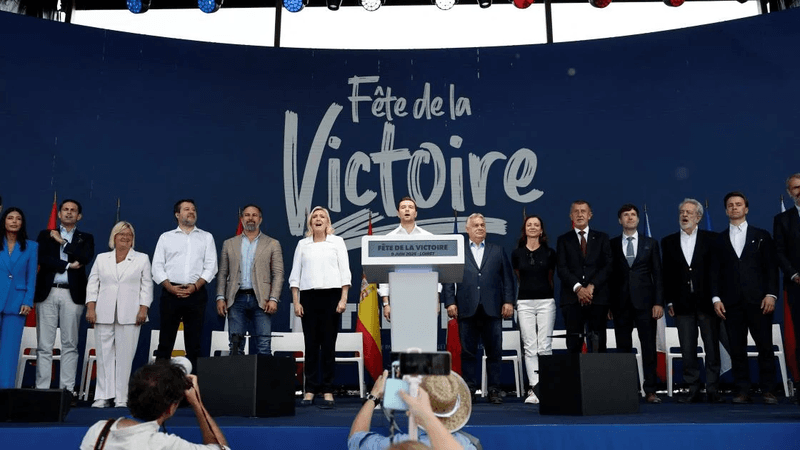
- Alliances with Far-Right Parties: Trump has backed groups like Germany's AfD, Italy's Brothers of Italy, and Hungary's Fidesz, creating a network of illiberal leaders who share his ideological goals.
- EU Fragmentation Risks: This approach exacerbates east-west divides within the EU, potentially leading to a more fragmented Europe that could complicate visa regulations and cross-border travel for foreigners.
- Geopolitical Realignments: Leaders like Hungary's Viktor Orban are pursuing strategic autonomy, balancing relations with China and the U.S., which may affect trade and diplomatic ties for expats involved in international business.
- Rise of Right-Wing Movements: Events like the formation of the "Patriots of Europe" group, inspired by MAGA, signal a transnational conservative movement that could influence local policies on immigration and cultural issues.
Conclusion: What Foreigners Should Know
Trump's European strategy presents both opportunities and risks for foreigners. While it may foster closer ties with ideologically aligned governments, it also risks political instability and weakened U.S. influence. Foreigners should stay informed about local political developments, be mindful of changing social attitudes, and consider the long-term implications for residency, travel, and business in Europe. As the continent navigates this new era, adaptability and awareness will be key to thriving in an evolving landscape. For more insights on living abroad, visit foreignersfrance.com.