
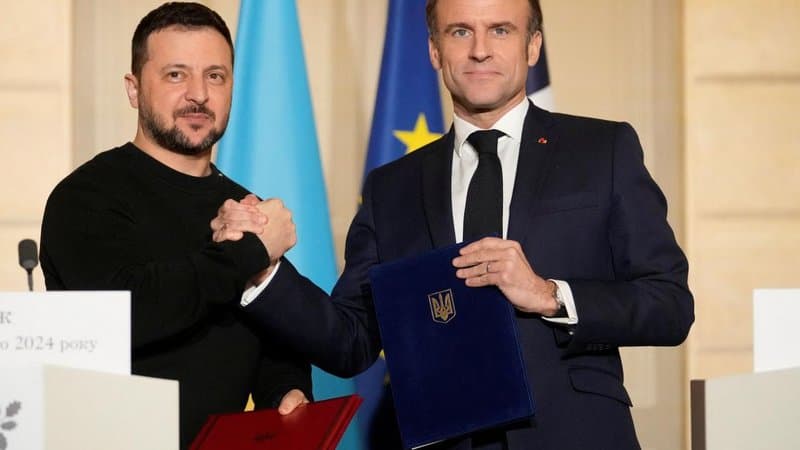
Introduction: Macron's Hawkish Turn on Ukraine
In early March, French President Emmanuel Macron made headlines by warning Europeans against "cowardice" and refusing to rule out sending Western troops to Ukraine. This stance, which irritated allies like Germany and the U.S., signals a dramatic shift from France's earlier conciliatory approach towards Russia. As Europe grapples with war fatigue and Ukraine's mounting challenges, Macron's assertive posture could reshape the continent's future, affecting everything from security to EU membership policies.
Impact on Foreigners in France and Europe
For foreigners residing in or visiting France and the EU, Macron's geopolitical moves have several implications:
- Security Concerns: Increased tensions with Russia may lead to heightened security measures in Europe, potentially affecting travel advisories and border controls.
- Economic Shifts: EU enlargement, particularly with Ukraine, could impact trade, agriculture subsidies, and cohesion funds, influencing prices and job markets for expats.
- Political Climate: As France champions a stronger Europe, policies on immigration, defense spending, and EU integration might evolve, shaping the legal and social environment for non-citizens.
- Travel and Mobility: Changes in EU borders or visa policies due to enlargement could simplify or complicate movement for foreigners, especially from applicant countries.
Key Details: France's Role and EU Enlargement
Macron's Evolution from Mediator to Hawk
Initially, France sought to engage Russia after the invasion, but evidence of atrocities like the Bucha massacre and Ukraine's resistance forced a pivot. Macron now advocates for unwavering support, including long-term military aid and potential troop deployment, positioning France as a key player in deterring Russian aggression.
EU Enlargement: Ukraine's Path and Challenges
Macron has endorsed Ukraine's bid to join the EU, marking a reversal from earlier skepticism. However, integration poses challenges:
| Challenge | Impact |
|---|---|
| Agricultural Policy | Ukraine's large farming sector could strain EU subsidies, affecting prices and sustainability efforts. |
| Cohesion Funds | Funds meant for poorer members might shift to new entrants, influencing regional development. |
| Institutional Reforms | EU institutions need overhauling to accommodate new members, which could delay processes for foreigners seeking EU benefits. |
Despite costs estimated at $500 billion for reconstruction, Macron argues that enlargement is essential for stability, as a secure Ukraine strengthens Europe against external threats.
Reforms and a More Flexible EU
France proposes "gradual integration" for candidate countries, allowing benefits as reforms progress. This could create a multi-speed Europe, where some nations integrate deeply while others maintain independence, affecting how foreigners experience EU laws and cooperation.
Conclusion: A Stronger Europe for a Safer Future
Macron's stance reflects a broader vision for a "sovereign Europe" capable of standing up to aggressors like Russia. For foreigners, this means navigating a continent in flux, with potential benefits like enhanced security and economic opportunities, but also challenges from policy shifts. As France leads the charge, staying informed about EU developments is crucial for anyone living or investing in Europe. To learn more about how EU policies affect expats, visit our EU updates page.